AI Keeps Getting Caught by Its Own Fake Words
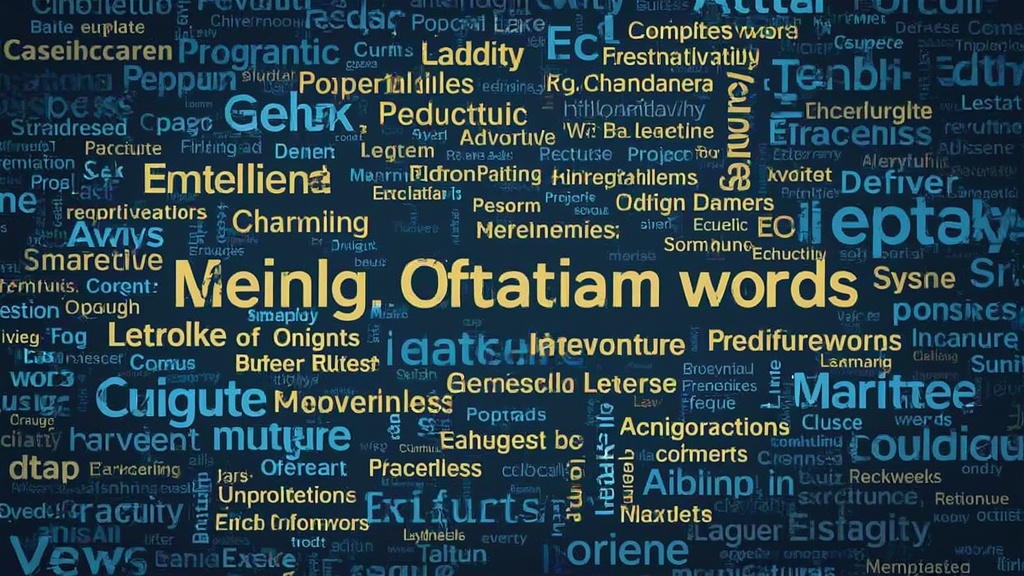
Here's a fun fact about the thing trying to replace word nerds: it can't actually write words. Not in images, anyway. Reuters recently caught an AI-generated map sneaking into a presentation because the image contained an OpenAI watermark. The visual looked convincing. The text inside it gave the game away.
Word game players: 1. AI: 0.
A Year of Embarrassing Slip-Ups
This isn't a one-time thing. Mark Liberman at Language Log has been documenting it since at least August 2025. Three separate articles before his August 2, 2026 piece on the Reuters catch. Titles like "More of GPT-5's absurd image labelling" and "More on GPT-5 pseudo-text in graphics." The word "more" doing a lot of heavy lifting there.
The pattern: AI generates an image that looks right. Labels, signs, maps, charts. Then you look closer at the actual text. Gibberish. Hallucinated letter-shapes. Watermarks from the tool that made it. The kind of thing you'd catch immediately in a word search or crossword because your brain is wired for real letters in real arrangements.
Why This Is a Word Game Problem
If you play Wordle, Scrabble, or crosswords regularly, you spend a lot of time thinking about what makes a word a word. Legal letters. Legal combinations. Which strings of characters actually exist in the dictionary versus which ones just look plausible.
That instinct? AI image generators don't have it. They learned what maps look like. They didn't learn what map labels are supposed to say. So you get something that reads as "map" at a glance and falls apart the second anyone tries to read the place names.
One possibility is that this gap only gets weirder as AI text generation improves. The image side might lag behind indefinitely. Which means the skill of actually reading words carefully stays human for longer than most people expect.
The Watermark That Broke the Illusion
The Reuters find is the crispest version of this. The tell wasn't style or composition. It was a literal tag saying "made with OpenAI." Baked into the image. Invisible until someone looked.
There's a crossword clue in there somewhere. "What gives an AI-generated map away in three letters?" The answer writes itself.
What to Actually Take Away
Two things, both useful.
First: if you're ever evaluating an image and something feels off, look at the text inside it. Signs, labels, watermarks, small print. That's where AI still stumbles. Your word-game-trained eye is genuinely better at catching this than a quick glance from someone who doesn't think about letters much.
Second: the reason you're good at word games is the same reason this stuff is obvious to you. You've built a model of what real words look like, how letters fit together, what combinations ring false. That model took years to build. It's not easily replicated.
Turns out all those hours spent deciding if "zax" is a real word (it is, it's a tool for cutting roofing slates) were teaching you something AI still hasn't learned.
Source: Languagelog