Bees Know Something About Communication That Most Humans Don't
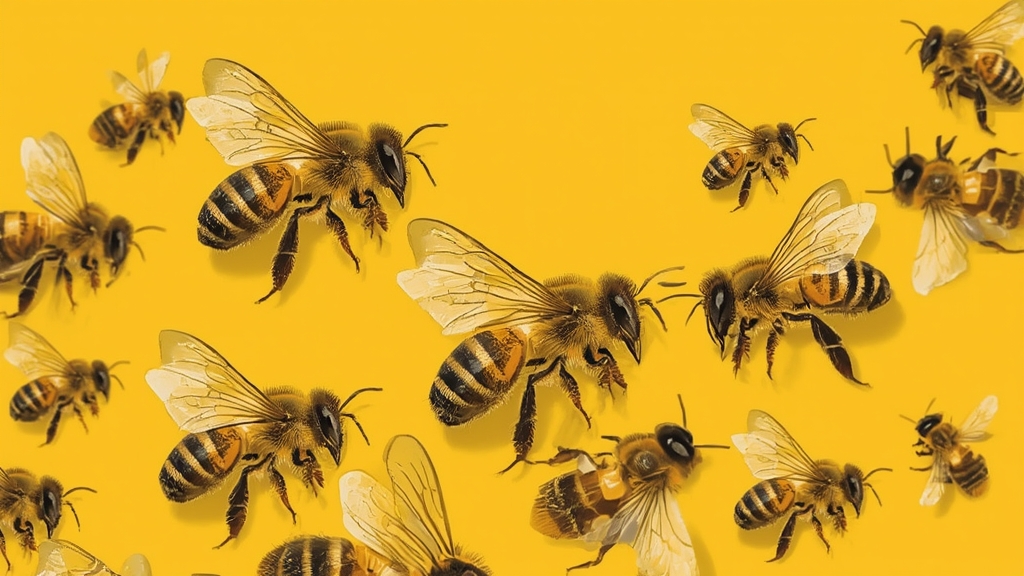
The waggle dance is a language. A real one. Honey bees use it to tell their hivemates where food is, how far away, which direction. It's specific, symbolic, and repeatable. Linguists actually study it. And according to research published in PNAS in March 2026, it does something most human languages don't: it gets worse when nobody's listening.
The Dance That Needs an Audience
Here's what Tao Lin and colleagues found: a bee's waggle dance precision drops when she doesn't have enough followers paying attention. Not because she forgets the route. Not because she's tired. Because no one is watching.
The dance floor could be packed with young bees. Didn't matter. Young bees don't follow dances. They're not the right audience. A crowded room full of the wrong listeners is the same as an empty room, communication-wise.
When followers were scarce, dancers literally searched for someone to perform for. More movement during the return run. Casting wider. Looking for a real audience before bothering to be precise.
How She Knows
She can't see them following. She uses touch. Simple tactile contacts during the dance tell her: someone is there, someone is tracking this. Without those contacts, precision slips.
The researchers call it a "socially responsive behavior shaped by feedback from followers." Which is a scientific way of saying: she calibrates her message to her audience in real time. The audience shapes the information content of the dance.
Why This Should Matter to You
Word games are communication exercises. You're encoding something, the board receives it, the rules decode it. When you play a word like QUIXOTRY on a triple word score, you're not just scoring points. You're saying something precise in a constrained system.
The bee's problem is a puzzle player's problem. Precision costs something. You don't spell out the full argument when a nod will do. You don't use a ten-letter word when a two-letter word scores the same. Communication, whether in hives or on crossword grids, is always negotiated with whoever's on the receiving end.
One possibility is that this is why word games feel social even when you play alone. You're always imagining an audience. Someone who will appreciate the placement, recognize the obscure word, groan at the pun. The precision of your play is partly for them.
The Part That's Just Delightful
A bee will perform a sloppy dance for a crowd of bees who aren't old enough to understand it yet. She knows the difference. She can feel it in the touch, or the absence of touch, of followers who are actually with her.
That's not instinct. That's feedback. That's listening with your whole body and adjusting what you say based on who's actually receiving it.
Communication isn't just transmission. It's a loop. The waggle dance proved it in bees. You already know it every time you play a word that you know your opponent will recognize, just to watch them wince.
Source: Languagelog