Ben Franklin Collected 229 Words for Drunk and Called It a Warning
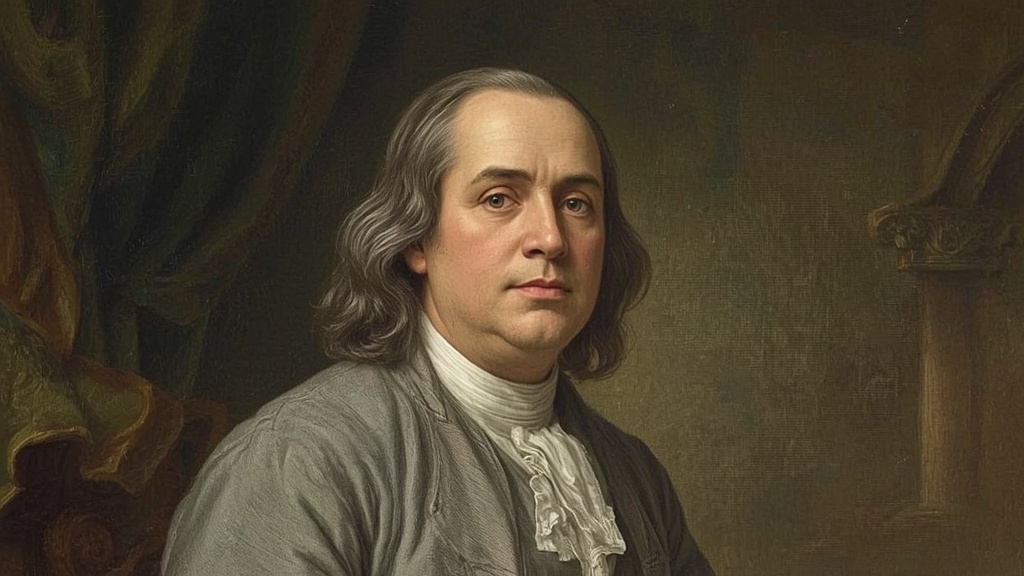
If you've ever tried to list ten synonyms for something and gotten stuck at four, consider this a humbling data point: in 1737, Benjamin Franklin published 229 words for being drunk. In a newspaper. As a moral lesson.
The Setup
Franklin published his Drinkers Dictionary in The Pennsylvania Gazette in 1737. The goal, officially, was to illustrate the breadth of a social problem. He stated plainly that "Drunkenness is a very unfortunate Vice." Two hundred and twenty-nine entries worth of unfortunate.
The entries run from A to W. X, Y, and Z apparently had nothing to offer. Even in colonial America, some letters just weren't pulling their weight.
Where He Got Them
Franklin was clear about his sourcing. He described the collection as "gather'd wholly from the modern Tavern-Conversation of Tiplers." He went to bars, listened, and wrote things down. Three centuries before ethnographic fieldwork became an academic discipline, Franklin was doing it in pubs.
This is how informal language actually works. Words for things people experience constantly get coined in conversation, not dictionaries. The dictionary catches up later, if it catches up at all.
Why 229 Words for One Thing Matters
Language builds vocabulary where people spend attention. The richer the vocabulary for a concept, the more precisely you can talk about it. Colonial tavern culture apparently had very precise distinctions to make.
For word game players, this is more than trivia. Synonyms are never truly equal. Two words can mean "drunk" and still carry different tones, fit different contexts, land differently in a sentence. That's why having options matters. On a Scrabble board or anywhere else.
Franklin's Actual Strategy
Here's a read on what he was doing. Calling something a vice while cataloguing 229 expressions for it isn't just documentation. It's an argument made through abundance. The sheer size of the lexicon is the point. If there are this many words for something, it's everywhere. You can't pretend otherwise.
Vocabulary as evidence. It's a clever move. Franklin was good at those.
The Takeaway for Word Lovers
A man sat in colonial American taverns, collected slang from conversations, and published it as a cautionary tale. What survived is one of the earliest records of informal American English in the wild. Nearly three centuries later, it's still a window into how language actually grows: from the bottom up, in conversation, in the places where people are actually talking.
If you've ever argued that English has too many words for something, the answer is probably yes. Learn them anyway. That's where the good Scrabble plays live.
Source: Languagehat