One Factory, Two Factories, Same Word: The Grammatical Puzzle of 'Works'
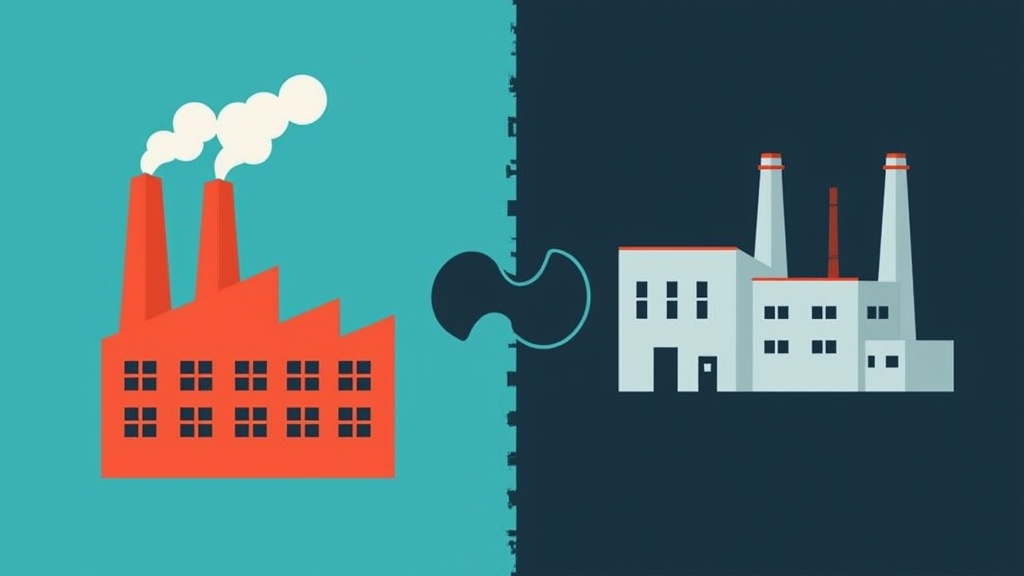
Here's a trick question for word lovers. You drive past a sign that says "Riverside Works." Is that one factory or several?
Both. That's the answer. And English has been fine with this since the 1580s.
A Plural That Means One Thing
The word "works" can refer to a single industrial site. One building. One plant. One facility with a chimney and a loading dock. But the word looks plural. Sounds plural. Technically is plural.
English does this occasionally. "Headquarters" can be one place. "Crossroads" can be a single intersection. But "works" as a name for an industrial building has a paper trail going back to Queen Elizabeth I, and it has never really tidied itself up.
It Started With Shipbuilding Trees
The OED's earliest citation for "works" meaning an industrial establishment comes from a 1581 statute. The Preservation of Wood Act, officially Act 23 Elizabeth I, was passed to protect England's forests. Specifically, the trees needed to build ships.
The OED example the lexicographers found in that act? "Iron workes." Plural form. Industrial site. Probably one place.
The Crown needed timber for the navy. The law protecting that timber happened to name the thing it was regulating, and what it reached for was the plural. That usage stuck for the next 450 years.
The Singular Showed Up Later
The singular form "glass-work" (no s, one site, one word) appears in Ephraim Chambers' Cyclopaedia in 1751. That's 170 years after the plural was already established in royal legislation.
By the time dictionary writers were cataloguing what to call a glass factory, "works" with the s was already the standard move. The singular was playing catch-up to a pattern that started in an Elizabethan forest protection law.
It Is Still Happening Right Now
The OED tracked this plural-for-singular usage all the way to October 5, 2010 in The Independent. Then a Guardian headline from June 2, 2024 used "steelworks" to refer to two plants in Wales. So the same plural form now covers one plant, two plants, and presumably any number of plants you care to throw at it.
"Works" just refuses to be grammatically pinned down. It has been both singular and plural since before the Spanish Armada, and it is still doing both jobs in major newspapers today.
What This Means for Word Lovers
There is real joy in knowing that a word you might use in Wordle or drop in a crossword grid has been doing grammatical gymnastics since it appeared in a decree about protecting trees for the English navy.
The next time someone describes "the steelworks" and you ask "how many plants is that?" the honest answer is: the word won't tell you. It never has. It is simultaneously singular and plural, specific and vague, five centuries old and still in yesterday's headlines.
Which is kind of the whole game, isn't it? Words that look simple and then refuse to be.
Source: Grammarphobia