One Million Ancient Greek Documents Nobody Has Read (Until Now)
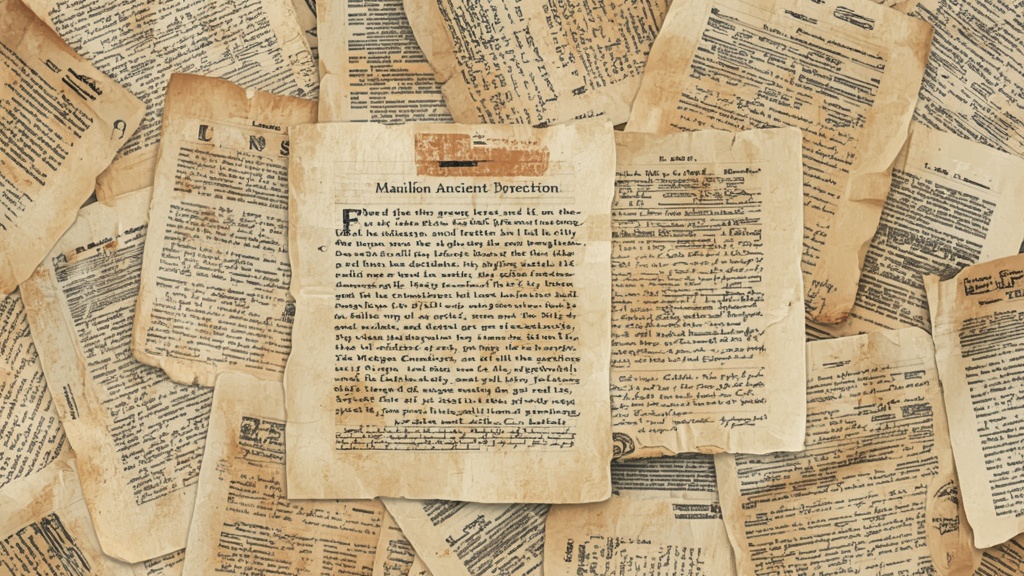
Somewhere in Vienna, tens of thousands of papyrus documents have been sitting in the dark for centuries, written in Ancient Greek, waiting for someone with enough hours in the day to actually read them. Globally, the count of unread Greek papyri hits approximately one million. One million. That number is not a typo.
The Problem With Being Human
Human scholars are great. They're also slow. Reading, deciphering, and restoring damaged ancient texts takes years of specialized work per document. With a million papyri still unread, even an army of papyrologists working through lifetimes wouldn't close the gap.
So the Austrian Academy of Sciences (OeAW), working with Mistral AI and Sail Reply, built something that could.
Meet Apollo
The model is called Apollo. Fitting choice. The ancient Greek Apollo was god of poetry and light. This Apollo reads ancient texts by the thousands and restores the missing pieces.
It's described as the world's first advanced multimodal LLM for an ancient language, trained on the largest digital corpus of historical Greek assembled to date. It handles advanced searching through papyri and inscriptions, and it does automatic text restoration on damaged documents.
The speed jump: tasks that took years now take hours.
The Person Behind It
Anna Dolganov, an ancient historian and papyrologist at the Austrian Archaeological Institute of the OeAW, leads the project. Sail Reply (a Reply Group company) and Mistral AI are her collaborators.
The Austrian National Library's Papyrus Collection alone holds tens of thousands of unread papyri. One city. One collection. The rest of that million are scattered across the world.
Why Word Lovers Should Care
Ancient Greek papyri aren't just historical records. They're letters, contracts, poems, grocery lists. Everyday writing from people who used vocabulary that wound its way into every major European language, including yours.
Every unread document is a potential word history nobody has written yet. A phrase that might change what linguists think about how Ancient Greek actually worked, day to day, in real mouths.
This could mean the lexicon we think we know is still incomplete. One possibility is that a million unread texts contain usages, spellings, or vocabulary that would surprise even the scholars who've spent careers on this language.
A Million Words, Finally Getting Read
If you've ever marveled that "catastrophe" is just Greek for a dramatic overturning, or that "alphabet" is literally just the names of the first two letters, you already love this stuff. Those word histories come from documents like these.
Apollo is working through a backlog two thousand years in the making. Hours instead of years.
Turns out the ancient Greeks had a lot on their minds. We're just now finding out what.
Source: Languagehat